January 23, 2026
Choosing a home is one of the most important decisions you’ll make, and it goes far beyond selecting a floor plan or a neighborhood. Understanding the type of construction is key to making a decision that aligns with your budget, lifestyle, and long-term goals. Today, many buyers are weighing modular homes against traditional stick-built homes. While both provide safe, comfortable living, they differ significantly in construction, cost, and long-term maintenance. Knowing these differences helps you make an informed choice and avoid surprises down the line.
Understanding Modular Homes
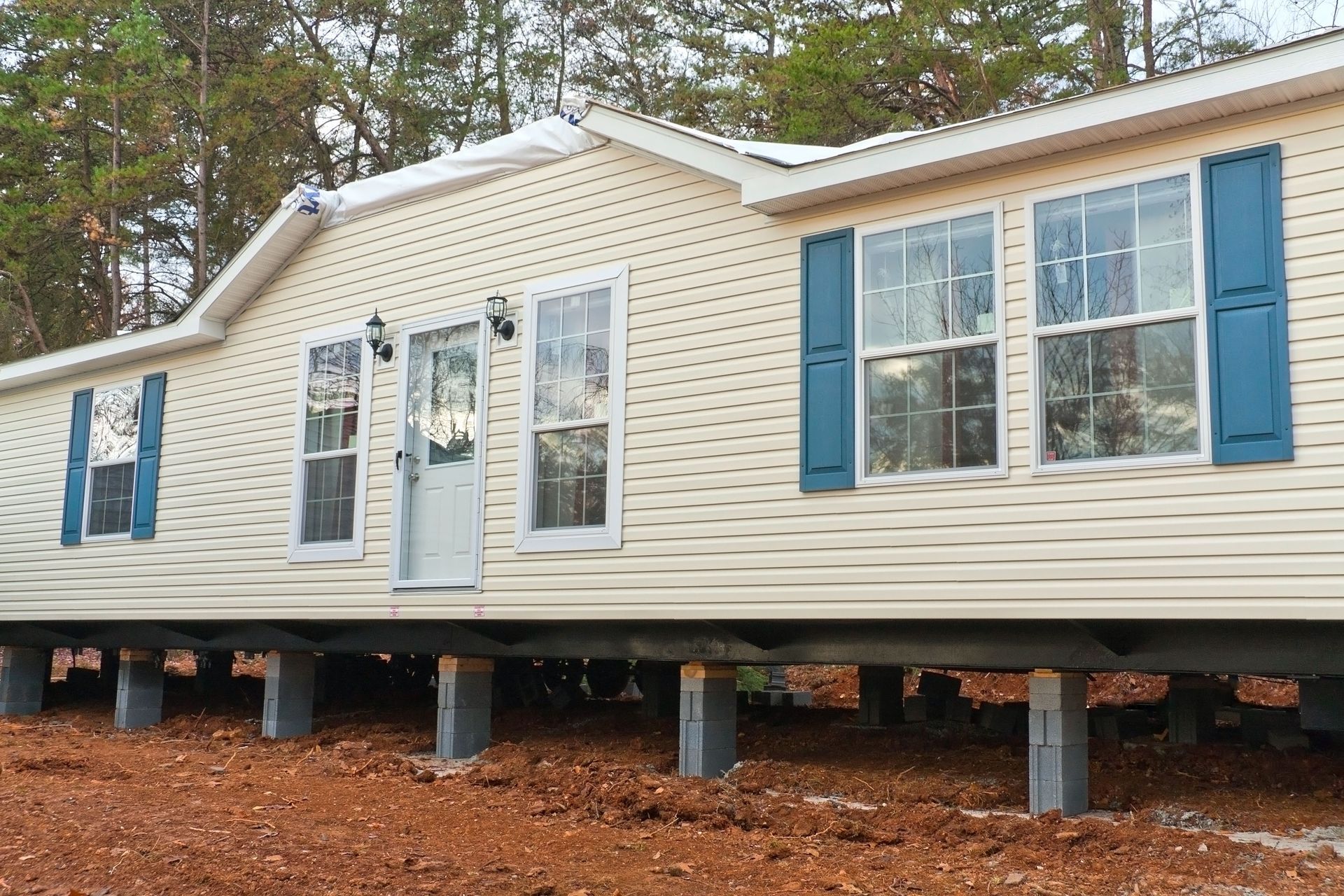
Modular homes are built in a factory setting and transported in sections to your property for assembly on a permanent foundation. Unlike mobile homes, modular homes comply with all local building codes for permanent residences, and once complete, they often look indistinguishable from traditional homes. The primary advantage of modular homes is their combination of quality, efficiency, and speed. Because construction takes place in a controlled environment, these homes benefit from precise measurements, consistent quality control, and fewer delays caused by weather or labor issues. The controlled process also minimizes material waste, which contributes to a more environmentally friendly build.
Another advantage of modular construction is the time savings. Site preparation and utility installation can occur while the modules are being built in the factory. This parallel workflow significantly shortens the overall construction timeline, allowing homeowners to move in sooner. Modular homes are also designed with energy efficiency in mind. Modern insulation standards and advanced building materials help reduce heating and cooling costs, making these homes practical as well as comfortable. Although modular homes are pre-designed to a degree, many manufacturers offer customizable floor plans, interior finishes, and exterior options, allowing homeowners to create a space that feels personalized without the extended construction timeline of a traditional home.
The popularity of modular homes reflects broader market trends. In fact, according to Market Report Analytics, the mobile homes industry is growing robustly with a compound annual growth rate (CAGR) exceeding 5% from 2025 to 2033. This growth highlights an increasing demand for homes that combine affordability, quality, and speed of construction.
How Traditional Homes Differ
Traditional, or stick-built, homes are constructed entirely on-site. This approach has been the standard for decades and continues to appeal to buyers who value design flexibility and long-term investment. One of the main advantages of traditional homes is the ability to create fully customized layouts. Builders can adjust floor plans, materials, and finishes as construction progresses, allowing for architectural details that may be difficult or more costly to replicate in a modular format.
Material selection is another factor that sets traditional homes apart. On-site construction allows homeowners to change materials mid-project, upgrade finishes, or integrate unique features. Traditional homes also tend to have higher perceived resale value because of their permanence and the familiarity buyers have with on-site construction. On the other hand, building a home from the ground up is typically slower and more susceptible to weather delays, labor shortages, or supply chain issues. These factors often make stick-built homes more expensive upfront than modular homes.
Cost Considerations
Cost is often the deciding factor for many homeowners. Modular homes generally cost less per square foot than traditional homes. The controlled factory environment reduces labor expenses, minimizes material waste, and limits delays, all of which help keep prices lower. Traditional homes, while offering design flexibility, often carry higher labor costs and longer timelines, which can increase overall expenses. Weather interruptions, material shortages, and unforeseen complications can further inflate costs during construction. Long-term maintenance is another consideration. Modular homes are often built with modern materials and energy-efficient systems that may reduce utility bills and maintenance needs over time. Traditional homes may offer greater freedom to renovate and upgrade, but these improvements can also come with added costs and construction headaches.
Location and Land Considerations
Where a home is placed plays a critical role in both construction and long-term living. Modular homes are versatile and can be installed on most land that meets local zoning regulations and foundation requirements. Their sections are designed for ease of transport, which allows installation in rural or challenging locations where on-site construction might be slower or more expensive. Traditional homes require sufficient access for construction equipment and materials, which can make building on tight or difficult lots more complicated and costly. Regardless of the home type, confirming local building codes, utility access, and soil conditions is essential before committing to a purchase.
Sustainability and Environmental Impact
Sustainability is increasingly important to homeowners, and construction type can influence environmental impact. Modular homes typically generate less waste during construction because materials are precisely measured and leftovers are more easily recycled. Factory-built homes also often include modern insulation and energy-efficient windows and doors, reducing energy consumption over the home’s lifetime. Traditional homes can also be built sustainably, but on-site construction tends to produce more waste, and energy efficiency depends heavily on the builder’s choices. For buyers who want a home that is both efficient and environmentally conscious, modular construction offers a compelling balance of modern materials and eco-friendly practices.
Customization and Design Options
Although modular homes are sometimes perceived as limited in design, the reality is that modern modular construction allows for a high degree of customization. Many manufacturers offer multiple pre-designed layouts that can be modified to suit the homeowner’s needs. Interior finishes, such as flooring, cabinetry, and fixtures, are often customizable, and exterior features, including siding, roofing, and windows, can be selected to match personal style preferences. Traditional homes still offer the broadest range of design freedom, but modular homes now provide homeowners with options that were once only possible through stick-built construction.
Maintenance and Longevity
Long-term durability is a major factor in homeownership. Modular homes are built to meet or exceed local building codes and use modern materials and construction techniques that can reduce common maintenance issues. Routine tasks such as plumbing, electrical servicing, and HVAC upkeep are similar to those in traditional homes, but the precise construction process can result in fewer structural problems. Traditional homes, when well-built, can last for generations, with maintenance requirements varying based on materials and climate. Both types of homes require care, but modular construction often provides peace of mind regarding structural stability and energy efficiency.
Community and Lifestyle Considerations
Lifestyle and community play a role in the home decision process. Modular homes are commonly found in planned communities, rural locations, or private lots, offering homeowners modern conveniences with minimal disruption during construction. Traditional homes are often located in established suburban or urban neighborhoods with access to infrastructure, schools, and amenities. Considering commute times, neighborhood culture, and long-term living preferences can be just as important as evaluating construction type, cost, or design.
For those who already own a modular or manufactured home, or are planning to purchase one, having access to high-quality parts and supplies is essential. Reliable doors and windows, electrical and plumbing components, heating and cooling systems, and durable skirting help ensure your home remains safe, comfortable, and energy-efficient for years to come. In the Tri-State area, Fulton Manufactured Home Products offers the largest inventory of mobile home parts, knowledgeable staff ready to provide guidance, and installation services to make upgrades and repairs easier. Contact us today to learn more!